Making room for quiet
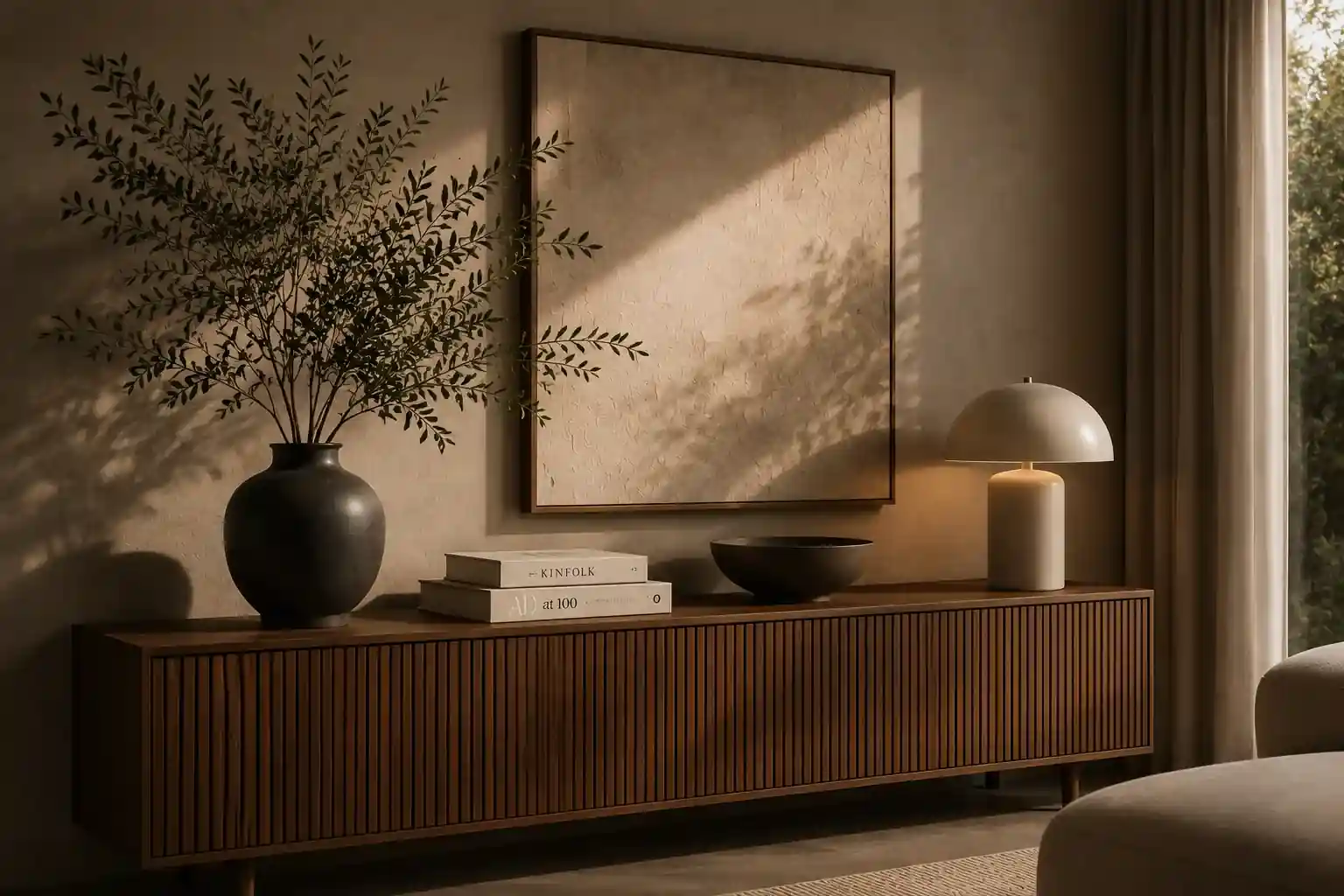
A well-made room begins with an edit. Before adding anything, it pays attention to proportion: the distance between a chair and the window, the way a table receives afternoon light, the pause created by an empty wall. These decisions do not demand attention, but they shape how a home feels each day.
Natural materials make that sense of calm more durable. Timber carries its grain, linen softens with use, and stone changes character as the light moves. Rather than chase a finished picture, choose pieces that can gather evidence of living and still feel considered over time.
The value of restraint
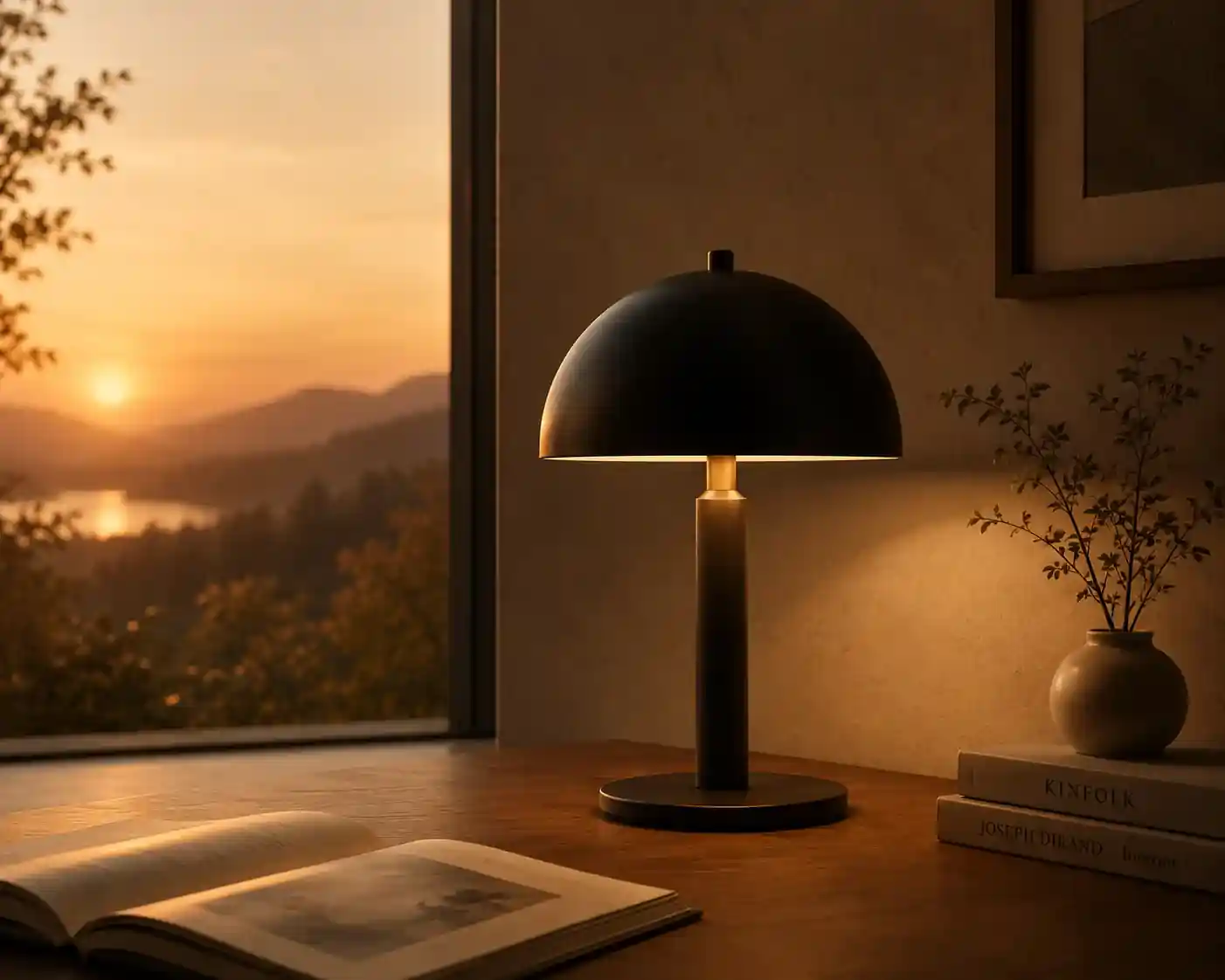
Restraint is not the same as emptiness. It is the willingness to let one considered gesture do its work: a lamp with a generous shade, a dining table that invites everyone to stay, a textile whose texture becomes clearer the longer you live with it. When every element has room to breathe, the objects you keep begin to feel more intentional.
The rooms that last are rarely assembled in a single afternoon. They evolve through attention, revision, and the small practical knowledge that comes from living in them. Keep what feels useful, let the light guide the arrangement, and allow the room to become more itself over time.